

End-of-Year Considerations
Changing Benefits Module for 2027

As the year comes to a close, members will have the opportunity to review their benefits and choose a benefit module that will take effect on January 1, 2027.
Members wishing to make a change may move to an adjacent module (e.g., from Green to Teal) by completing a Group Benefits Enrollment Form and submitting it to the GSI office no later than Monday, November 30, 2026.
Please note that if you change modules, your claims history will carry forward. This means that benefits with maximums extending beyond single year (e.g., vision care with a 24-month limit) will not reset when moving to a different module in the future
Vacation and Sick Time
As we are nearing the end of the year, it is a good time to review your vacation and sick time remaining in the current year with your employer.
Vacation time is based on the calendar year (ie. January to December) and cannot be accumulated or paid out unless it is approved in writing by the council prior to the year end of the year the vacation was not taken.
Full-time employees are entitled to have 18 sick days each year (pro-rated for employees joining part way through the year). Part-time employees earn sick days on a pro-rated basis related to their regular hours of work.
Employees who have used fewer than ten sick days in the previous fiscal year are entitled to two personal days in the current fiscal year (which will count as sick days in the current fiscal year)
Unused sick days may be carried over for a maximum accumulation of 28 days. Any unused sick days or personal days will not be paid out a fiscal year end or on termination, including retirement or acceptance of a new call.
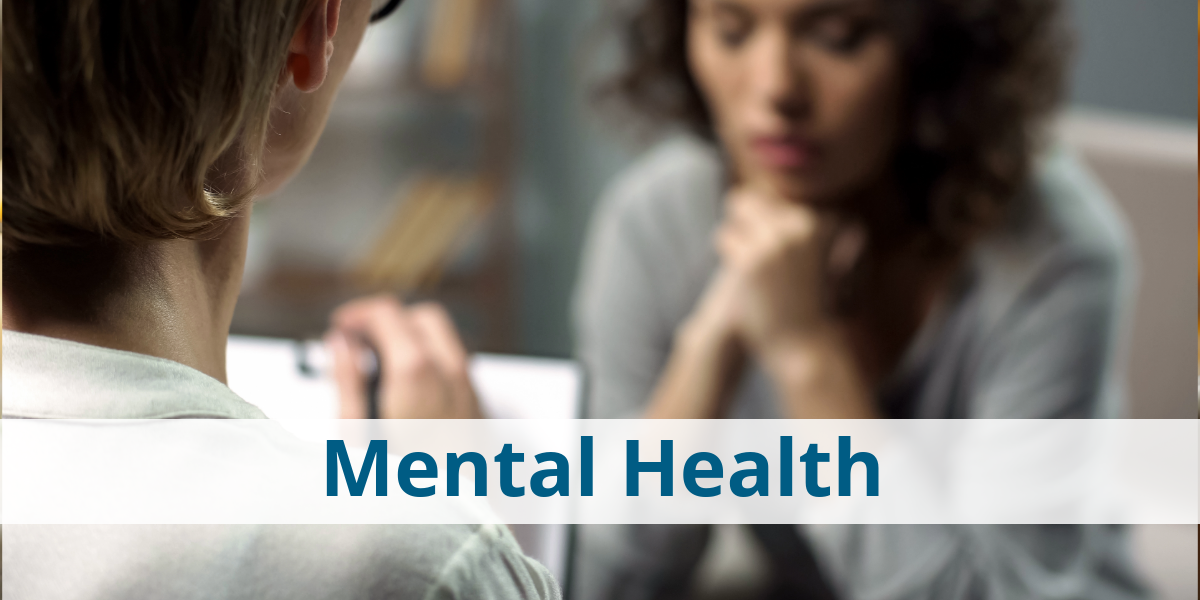
World Mental Health Day
World Mental Health Day, held every year on October 10, is a day to recognize the importance of mental health and remind people that taking care of their minds is juts as important as taking care of your bodies. Everyone experiences stress, sadness, anxiety, and difficult moments at different points in their lives. There is no shame in struggling.
The day also helps bring attention to the fact that mental health challenges can affect anyone, regardless of their age, background, or circumstances.
One of the most important aspects of World Mental Health Day is starting conversations. Sometimes people keep their feelings to themselves because they are worried about being judged or misunderstood. Simply asking someone how they are doing and genuinely listening to their response can make a difference.
Some ways we can participate in World Mental Health Day include:
- taking a break from school, work, or social media and spending time doing something that helps you relax
- practicing self-care by going for a walk, listening to music, exercising, or journaling
- getting enough sleep.
It is also important to remember that supporting mental health is not something we should do on October 10. Checking in with friends or family, taking breaks when needed, setting healthy boundaries, and reaching out for support are things we can practice throughout the year.
World Mental Health Day is a reminder that nobody should feel like they have to deal with the stresses of modern life alone.
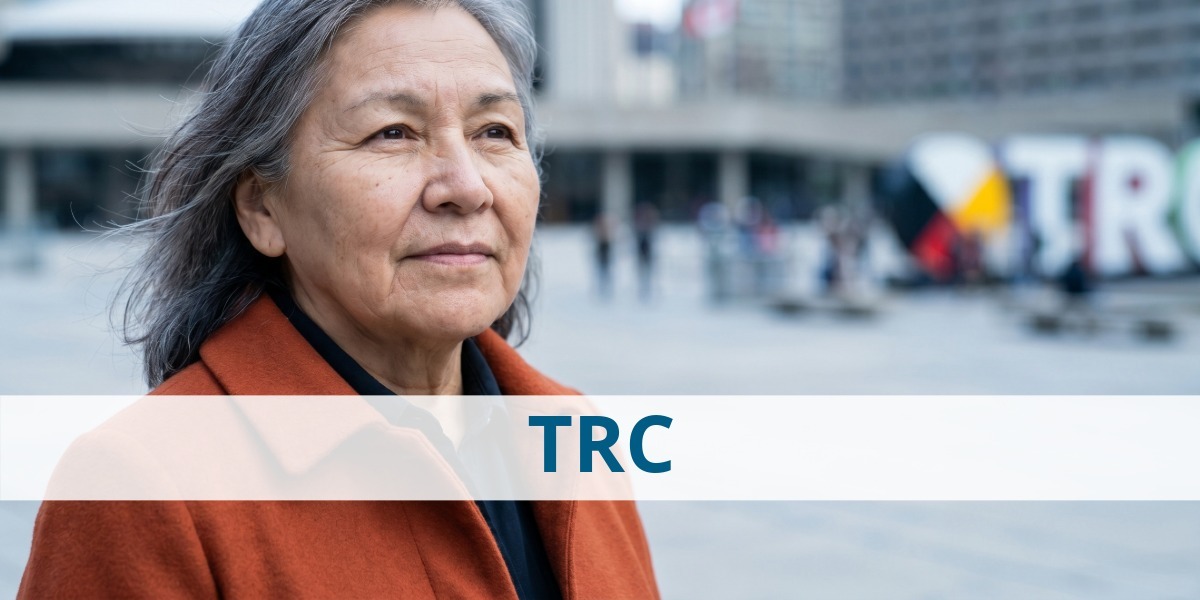
Truth & Reconciliation Day 2026
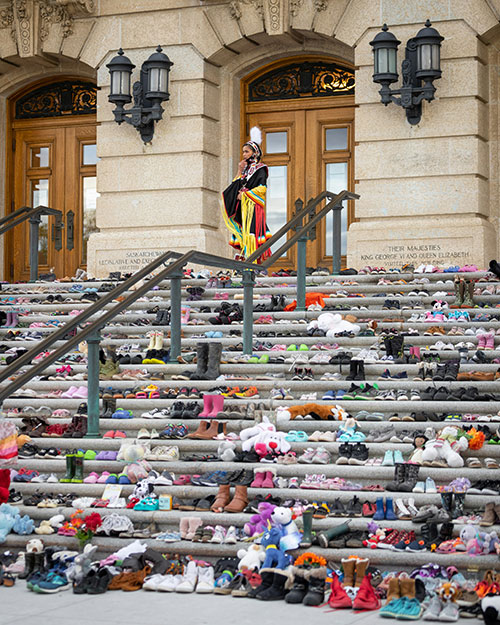 Truth and Reconciliation Day, also known as Orange Shirt Day, is a day to pause and remember the children and families who were affected by the residential school system in Canada. The orange shirt has become a symbol because Phyllis Webstad shared the story of having her new orange shirt taken away when she arrived at a residential school as a child. What might seem like a simple piece of clothing represents something much bigger: the loss of identity, culture, family, and belonging many indigenous children experienced.
The meaning of the day is not just about looking back at something that happened in the past. It is also about understanding how those experiences continue to affect Indigenous communities today. Learning about residential schools can be uncomfortable, but that discomfort is part of recognizing the truth. Reconciliation cannot happen if people avoid difficult parts of history.
Wearing an orange shirt on September 30 can be a way of showing support and remembering the children who never returned home. Truth and Reconciliation Day reminds us that remembering is important, but what we choose to do with this knowledge is even more important. This could mean taking time to learn about Indigenous history and culture and carrying that knowledge and respect with us throughout the rest of the years.

Broccoli Cheddar Chicken and Noodle Casserole
Ingredients
 1 tablespoon extra virgin olive oil
1 yellow onion, chopped
2 carrots, chopped
¾ pound boneless chicken breast, cut into cubes
1 teaspoon garlic powder
Kosher salt and black pepper
2 tablespoons salted butter
2 tablespoons fresh (or 2 teaspoons dried) thyme leaves
1 teaspoon paprika
½ teaspoon cayenne pepper
2 cups low sodium chicken broth
1 ½ cups milk
1 pound short-cut pasta
3 cups broccoli florets, roughly chopped
1/3 cup grated parmesan cheese
1 ½ cups shredded cheddar cheese
Directions
- Preheat oven to 475°F.
- Heat olive oil in a large pot over medium heat. Add the onion and carrot and cook until fragrant, about 5 minutes. Stir in the chicken and season with salt and pepper. Add the butter, thyme, paprika, garlic powder, and cayenne, and cook until golden and toasted, 2-3 minutes.
- Add the broth and milk. Bring to a gentle boil over medium heat. Add the pasta and broccoli and season with salt and pepper. Stir frequently until the pasta is cooked and the broth has been absorbed, about 8-10 minutes.
- Stir in 1 cup of cheese. Transfer everything to an oven-safe casserole dish. Scatter the remaining cheese over top of the casserole.
- Bake for 20 minutes, until the cheese is melted and beginning to brown. Serve warm with additional thyme and fresh basil.
Source: Half Baked Harvest

Returning to Work After a Disability Leave
Ask an Expert Question / Concern:
“I’ve been off for a while on short-term disability and will be going back to work soon. I’m excited to get back into the swing of things, but I’m also a bit worried about readjusting after being away. How can I work with my employer to ensure my return to work is as smooth as possible?”
Date:
Wednesday, September 9, 2026
12:00 – 12:30 PM ET
Description:

Getting back to work after time away on short-term disability involves more than just showing up. Whether you work in an office or on the shop floor, the transition can bring questions about readiness, workplace adjustments, and how to rebuild routines. Join Kii Health this month to learn more about what employees can do to prepare for a smooth return, how to collaborate with employers to identify the right supports and resources, and what organizations can do to welcome team members back effectively. From practical considerations like access, accommodations, and safety to strategies for re-engaging with colleagues and job demands, we’ll highlight best practices for a successful return for both employees and employers.

We welcome your questions & feedback!
please write to us: admin@elcicgsi.ca
or call toll free: 1-877-352-4247 (in Winnipeg 204-984-9181)
information and resources can also be found on the GSI website