

Dependents Aged 21–25
Dependent children between the ages of 21 and 25 who are enrolled full-time at an accredited educational institution may remain eligible for coverage under your benefits plan. Eligibility must be verified annually.
If GSI has not received your Over-Age Dependent Form confirming continued eligibility for your child, their coverage will have ended on August 31, 2026.
If you have questions about your child’s coverage or eligibility status, please contact our office for assistance.
Change in Marital Status
If you have experienced a change in your marital status, this is a life event; please advise GSI. We will provide the appropriate forms and information to help you update your records.
A change in marital status can affect your pension and benefits, so it is important to notify GSI as soon as possible. If you have questions about how a change in marital status may affect your pension or benefits, please contact GSI before making changes to ensure you receive the appropriate forms and information.
New Marriage/Common Law
 If you are getting married, you may need to:
- Change your health coverage from single to family coverage.
- Add your new spouse as a dependent for dependent insurance.
- Review and, if desired, update your life insurance beneficiary.
- Update your pension beneficiary. Under pension legislation, your spouse will become your pension beneficiary.
Marriage Breakdown/Common Law Breakdown
If your marriage has ended, you may need to:
- Change your health coverage from family to single coverage. If you have children covered under the plan, your coverage will continue to include them.
- Remove your former spouse as a dependent from your dependent insurance coverage.
- Update your life insurance beneficiary if you choose.
- Address the division of your ELCIC Pension as part of your separation agreement.
When completing a separation agreement, it is important that it clearly indicates how your ELCIC Pension is to be handled. Each province has legislation governing pension division. Your lawyer should be familiar with the applicable requirements.
GSI will require a copy of your separation agreement that clearly identifies the pension division. If your pension is to be divided, the appropriate forms will be provided for your former spouse to transfer their portion of the pension from your plan.
At this time, you may also wish to review and update your pension beneficiary designation.
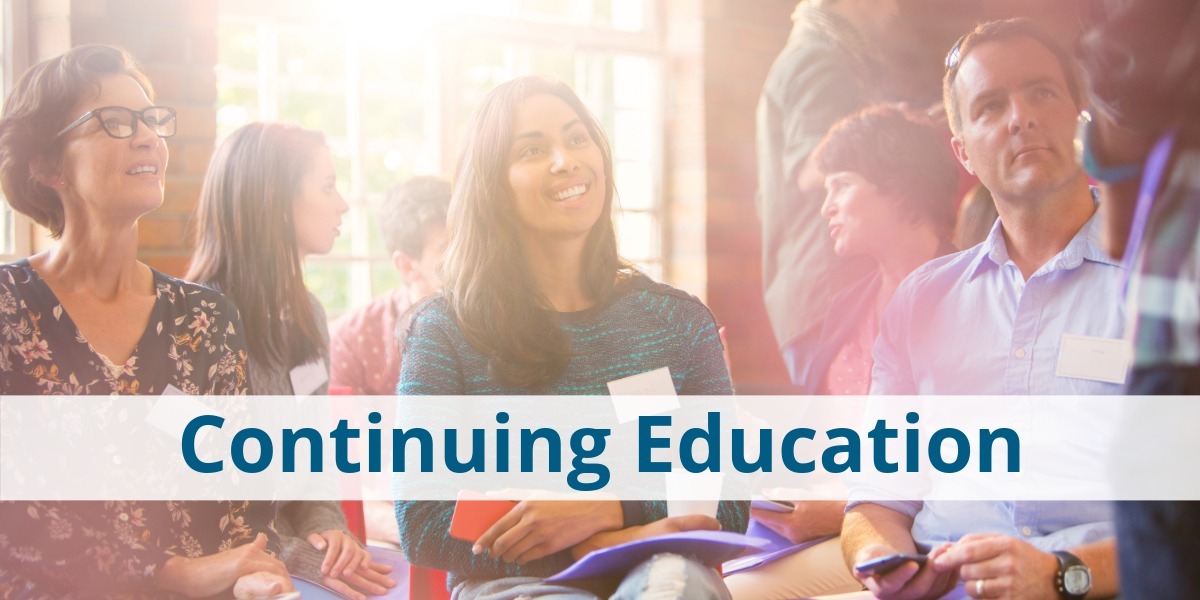
My Experience in the Iron Sharpening Iron Program
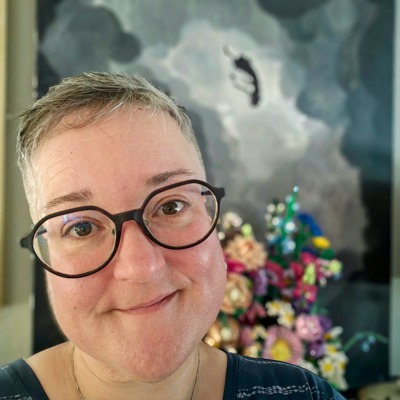
A year after completing her Certificate in Executive Leadership from Princeton Theological Seminary, Rev. Zsófi Schmiedge reflects on the experience.
I had heard from a few colleagues about a program called Iron Sharpening Iron offered through Princeton Seminary for women in ministry. I am naturally curious about continuing education opportunities that offer a unique experience or a diversity of perspectives, and a quick google search led me to these words:
Iron Sharpening Iron equips women to embrace and build upon the capacities, agency and savvy they possess to negotiate challenging leadership contexts with a confidence born of competence. Drawing on best practices from leaders in church, business, public service and beyond, the program’s interdisciplinary curriculum serves the fundamental goal of promoting capable women to thrive in God’s calling in a way that has theological integrity and a sophisticated philosophy and practice.
 The program is offered in two ways: a 12-month program or a 12-week virtual seminar, each with appropriately determined cost. Having a ConEd account to draw on made this opportunity a reality for me. And the interview process and conversation I had about the different programs helped me to choose which program was best for me.
I was drawn in by the opening paragraph about the program but was equally interested in how each cohort was carefully created and curated from the many applications to create a journey of deep meaning, relationship, listening, discernment, and prayer together.
The 12-week seminar style program was structured in a way that met my family’s needs at the time, as well as the needs of the congregation I had only been serving a short time. The content of the program covered a wide range of topics:
- Leadership identity
- Designing your leadership vision
- Change management
- Implementation and planning
- Building effective teams
- Giving and receiving feedback
- Navigating conflict
and wowed me with a diversity of God’s calling in ministry, in clergy and lay leaders, interdominationally. All of the seminars touched on something I was in need of for the work I was doing and continue to do. All of the seminars had work to do individually, in small groups, and in large groups. And each topic came with a wealth of resources I will call upon in the years to come.
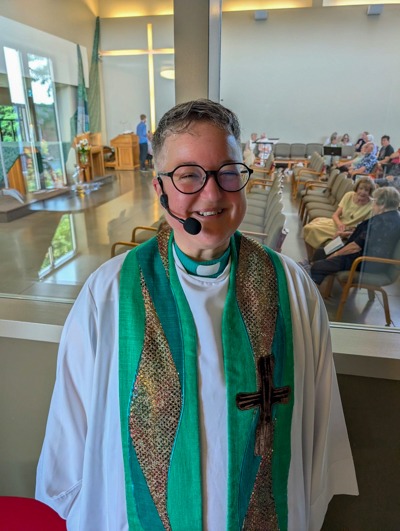 Each session presented opportunities for deeper relationships within the cohort and validation and affirmation in what each person was in the midst of along with the faith work I had been missing in other more secular ConEd offerings. Our time together each week was too brief, and it was clear that we were all committed to be present to each other as well as seeking what we needed to be better leaders. I was challenged, affirmed, prayed for and with, and sought out for counsel on a few topics. I am in awe of the women in my cohort and the amazing gifts they bring to the church.
My project and presentation for the completion of the program was vital to leading me to where God has called me at present. And now I have an Executive Leadership Certificate from Princeton Seminary! More importantly, I have a network of support that recognizes and names my gifts for ministry, calls me to honesty about what I still need to learn, and offers me a place to do the same for the membership of the Body of Christ.
In comparing my Iron Sharpening Iron experience with those of other Alumnae, I can see benefits and challenges to both the program version and the seminar version; only the applicant can determine which is right for her. There are a growing number of Canadian ministry leaders who have taken or are taking these programs and I am certain that, like me, they would be happy to share some of their experience. I am grateful to the leadership at ISI, the ISI community of leaders, and to the ELCIC for what has been one of the more fulsome ConEd experiences I have had to date.
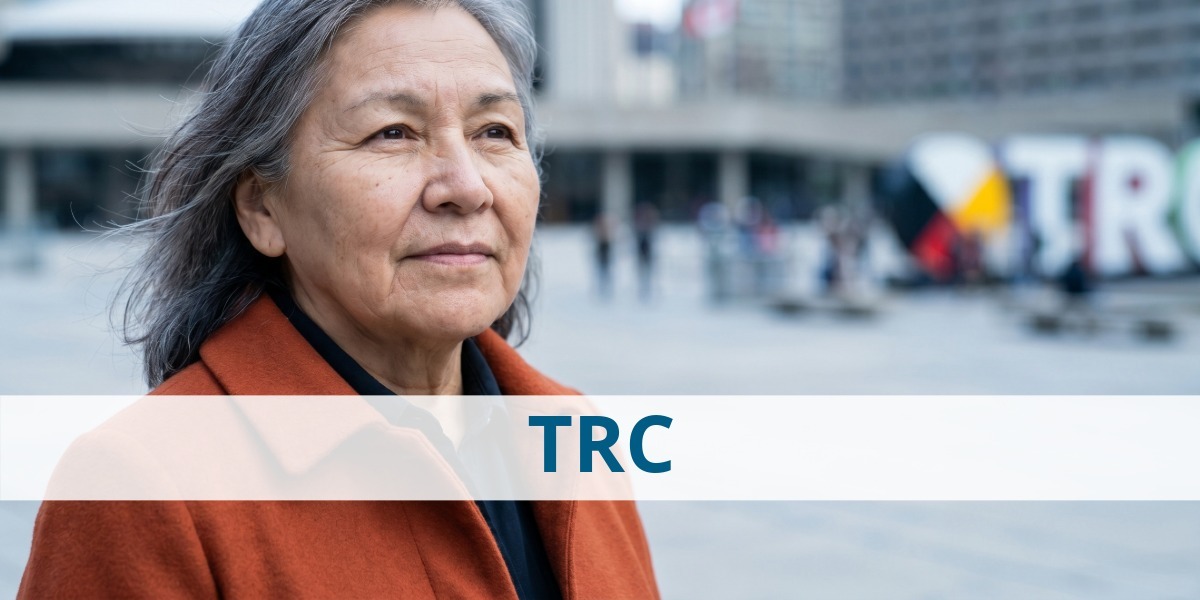
Truth & Reconciliation Day 2026
 Truth and Reconciliation Day, also known as Orange Shirt Day, is a day to pause and remember the children and families who were affected by the residential school system in Canada. The orange shirt has become a symbol because Phyllis Webstad shared the story of having her new orange shirt taken away when she arrived at a residential school as a child. What might seem like a simple piece of clothing represents something much bigger: the loss of identity, culture, family, and belonging many indigenous children experienced.
The meaning of the day is not just about looking back at something that happened in the past. It is also about understanding how those experiences continue to affect Indigenous communities today. Learning about residential schools can be uncomfortable, but that discomfort is part of recognizing the truth. Reconciliation cannot happen if people avoid difficult parts of history.
Wearing an orange shirt on September 30 can be a way of showing support and remembering the children who never returned home. Truth and Reconciliation Day reminds us that remembering is important, but what we choose to do with this knowledge is even more important. This could mean taking time to learn about Indigenous history and culture and carrying that knowledge and respect with us throughout the rest of the years.

Broccoli Cheddar Chicken and Noodle Casserole
Ingredients
 1 tablespoon extra virgin olive oil
1 yellow onion, chopped
2 carrots, chopped
¾ pound boneless chicken breast, cut into cubes
1 teaspoon garlic powder
Kosher salt and black pepper
2 tablespoons salted butter
2 tablespoons fresh (or 2 teaspoons dried) thyme leaves
1 teaspoon paprika
½ teaspoon cayenne pepper
2 cups low sodium chicken broth
1 ½ cups milk
1 pound short-cut pasta
3 cups broccoli florets, roughly chopped
1/3 cup grated parmesan cheese
1 ½ cups shredded cheddar cheese
Directions
- Preheat oven to 475°F.
- Heat olive oil in a large pot over medium heat. Add the onion and carrot and cook until fragrant, about 5 minutes. Stir in the chicken and season with salt and pepper. Add the butter, thyme, paprika, garlic powder, and cayenne, and cook until golden and toasted, 2-3 minutes.
- Add the broth and milk. Bring to a gentle boil over medium heat. Add the pasta and broccoli and season with salt and pepper. Stir frequently until the pasta is cooked and the broth has been absorbed, about 8-10 minutes.
- Stir in 1 cup of cheese. Transfer everything to an oven-safe casserole dish. Scatter the remaining cheese over top of the casserole.
- Bake for 20 minutes, until the cheese is melted and beginning to brown. Serve warm with additional thyme and fresh basil.
Source: Half Baked Harvest
Returning to Work After a Disability Leave
Ask an Expert Question / Concern:
“I’ve been off for a while on short-term disability and will be going back to work soon. I’m excited to get back into the swing of things, but I’m also a bit worried about readjusting after being away. How can I work with my employer to ensure my return to work is as smooth as possible?”
Date:
Wednesday, September 9, 2026
12:00 – 12:30 PM ET
Description:

Getting back to work after time away on short-term disability involves more than just showing up. Whether you work in an office or on the shop floor, the transition can bring questions about readiness, workplace adjustments, and how to rebuild routines. Join Kii Health this month to learn more about what employees can do to prepare for a smooth return, how to collaborate with employers to identify the right supports and resources, and what organizations can do to welcome team members back effectively. From practical considerations like access, accommodations, and safety to strategies for re-engaging with colleagues and job demands, we’ll highlight best practices for a successful return for both employees and employers.

We welcome your questions & feedback!
please write to us: admin@elcicgsi.ca
or call toll free: 1-877-352-4247 (in Winnipeg 204-984-9181)
information and resources can also be found on the GSI website